
Fyodor Dostoevsky
Genre: Philosophical and Psychological Fiction
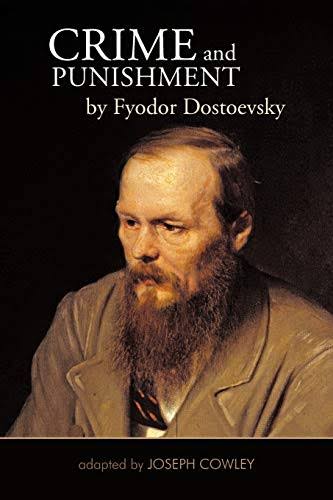
Heavily influencing Modern Psychology, Crime and Punishment was published in 1866 by one of Russia’s most influential novelists and essayists, Dostoyevsky. In his novel, the author explores the dark side of the human mind and consciousness through Raskolnikov, the protagonist.
Living in extreme poverty, the ex-law student, Raskolnikov, believes that humans are divided into “ordinary” and “extraordinary”, with “ordinary” being those who obey the law and “extraordinary” being those who disobey the law through committing crimes to achieve success, such as Napoleon. He believes he is superior and extraordinary, so to test his theory, he plans and executes the murder of a “louse” pawnbroker. He believes this benefits society as the pawnbroker adds no value to humanity.
However, he faces a slight problem with the execution of his plan; the pawnbroker’s sister, Lizaveta, arrives at the crime scene unexpectedly and is then murdered as well. This second murder occurs unplanned, which becomes a turning point for his theory.
Throughout the book, Raskolnikov faces psychological torment, guilt, and paranoia. Externally, committing the perfect murder, he remains unsuspected and free, but it is the internal consequences and horror that lead him to the prisons of Siberia.
Reflection:
A heavy read, but very entertaining, with multiple scenes and characters that all perfectly connect. Each character represents a different side of human psychology.
5/5

 The Alchemist MJ
Leave a comment